Case study · Spec project · 2026

Design the business before the website.

Frasco began as a weekly dinner concept, not a request for a polished set of pages. Before designing the website, I worked through the offer, unit pricing, menu rotation, delivery radius, returnable packaging, customer acquisition, and the evidence the owner would need to improve the service. The site became the public face of one coherent operating model.

Scope
Business model, brand, menu system, outreach, analytics, six-page site
Build
Static HTML, shared CSS, JavaScript menu data, JSON-LD, event plan
Core line
Weekly dinner delivery for the Research Triangle.
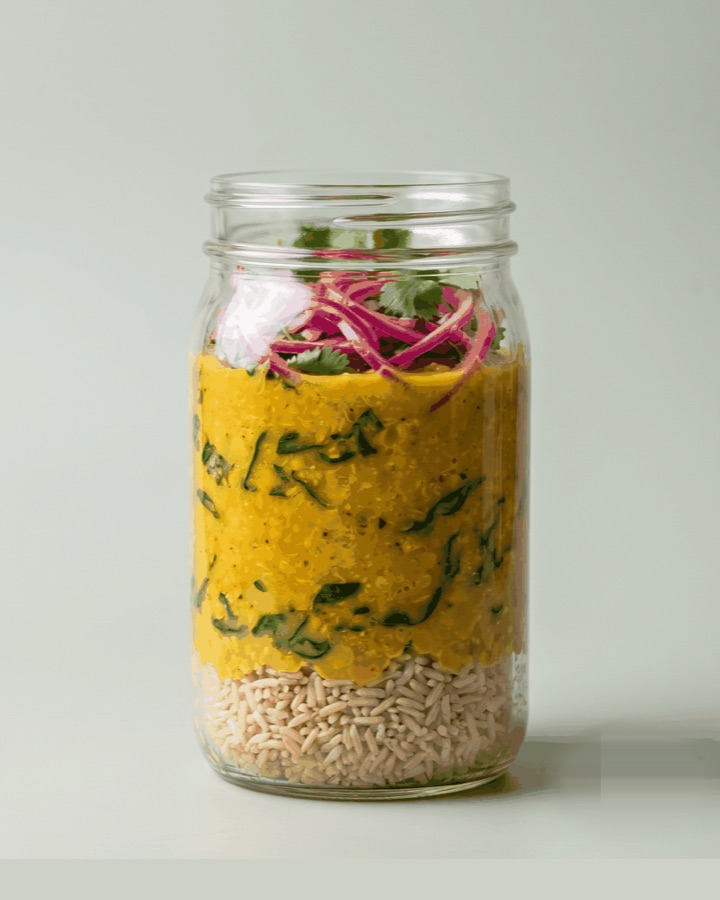
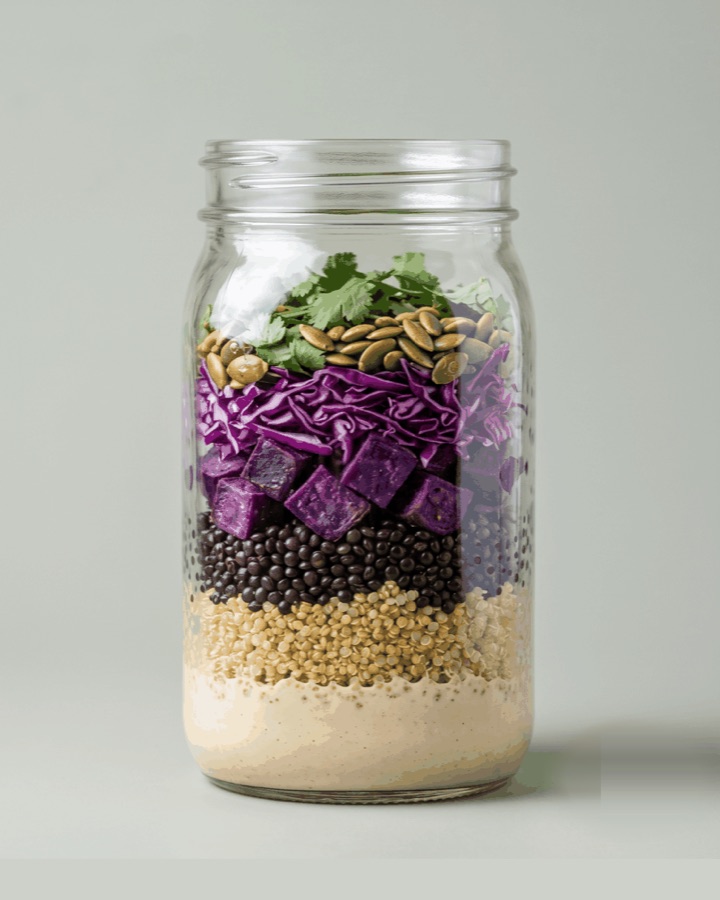
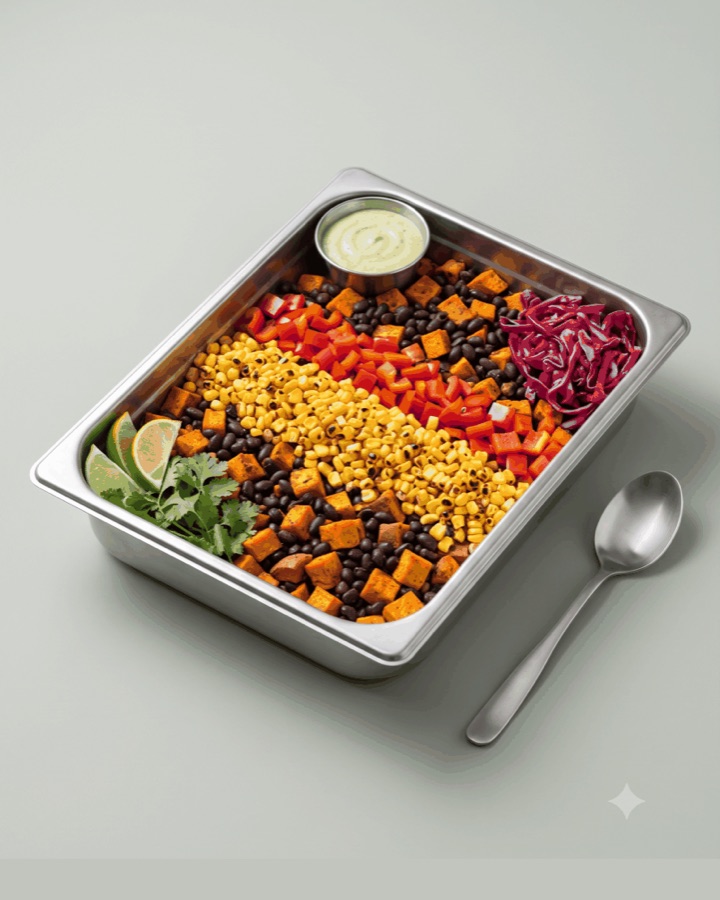
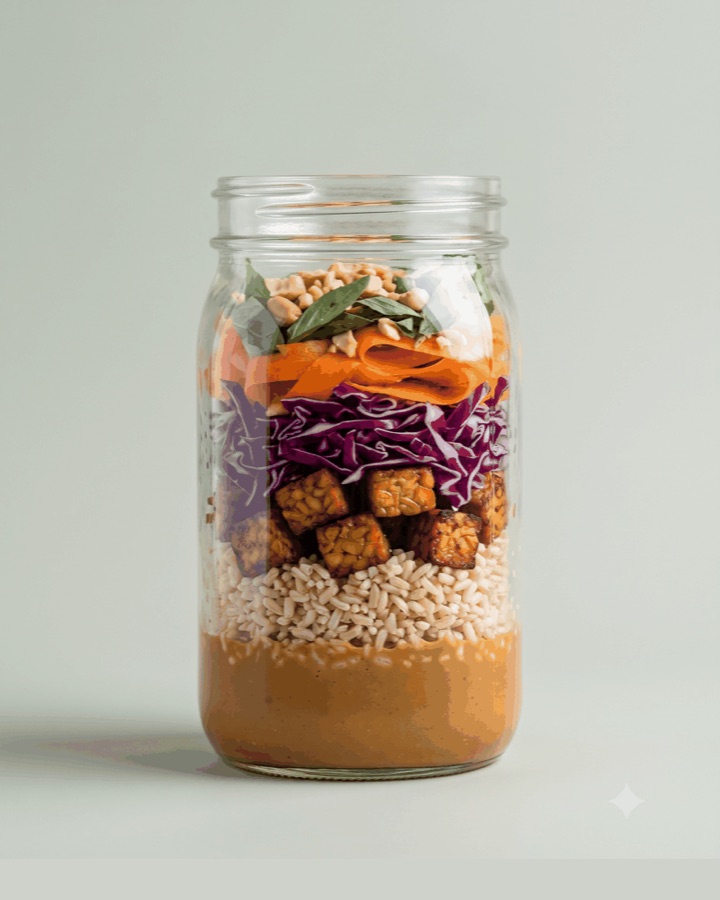
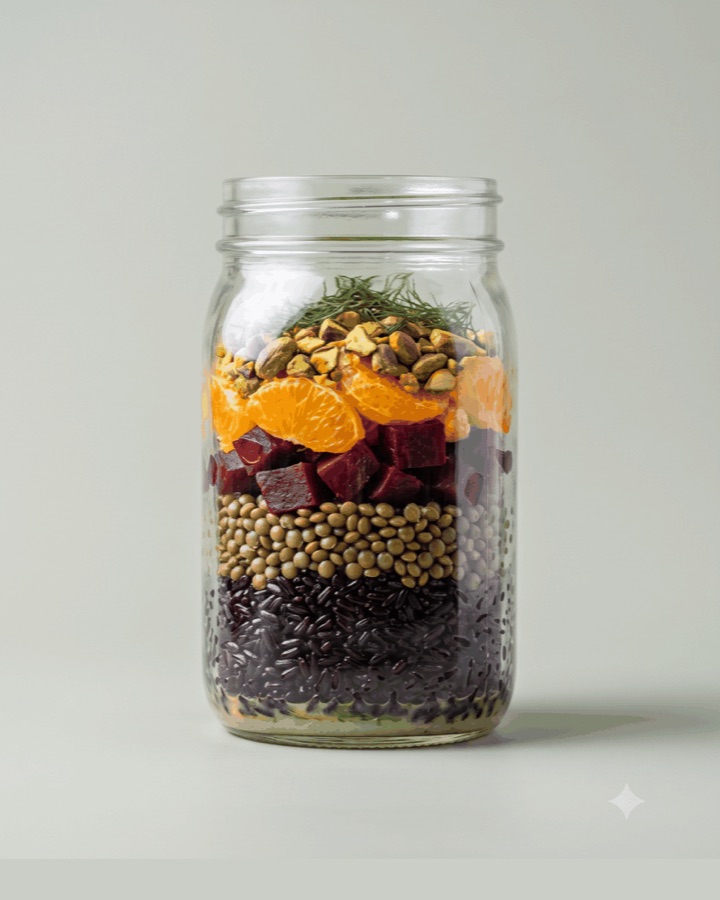
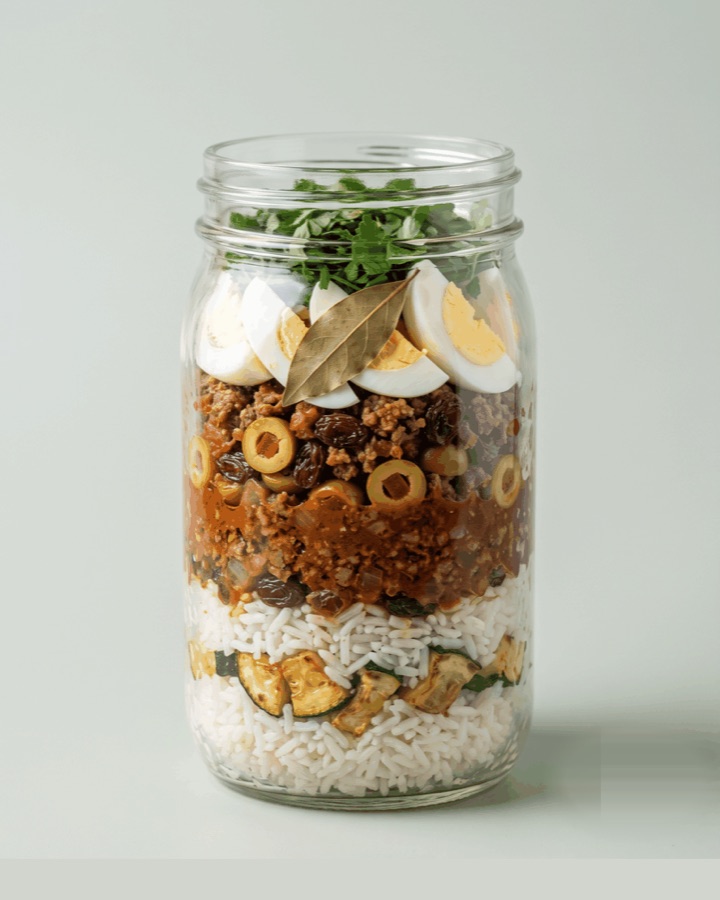
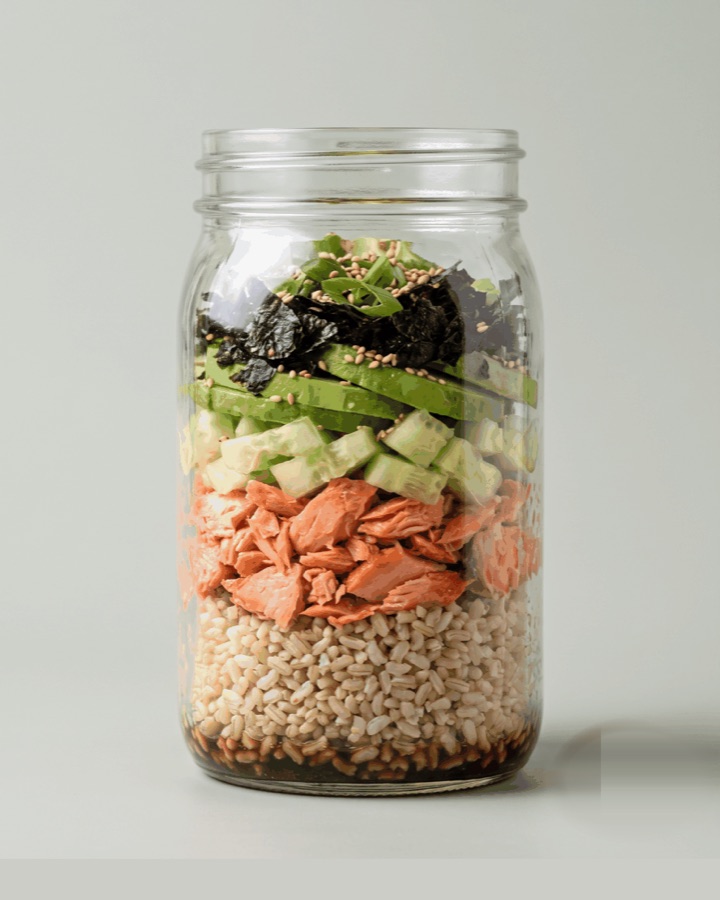
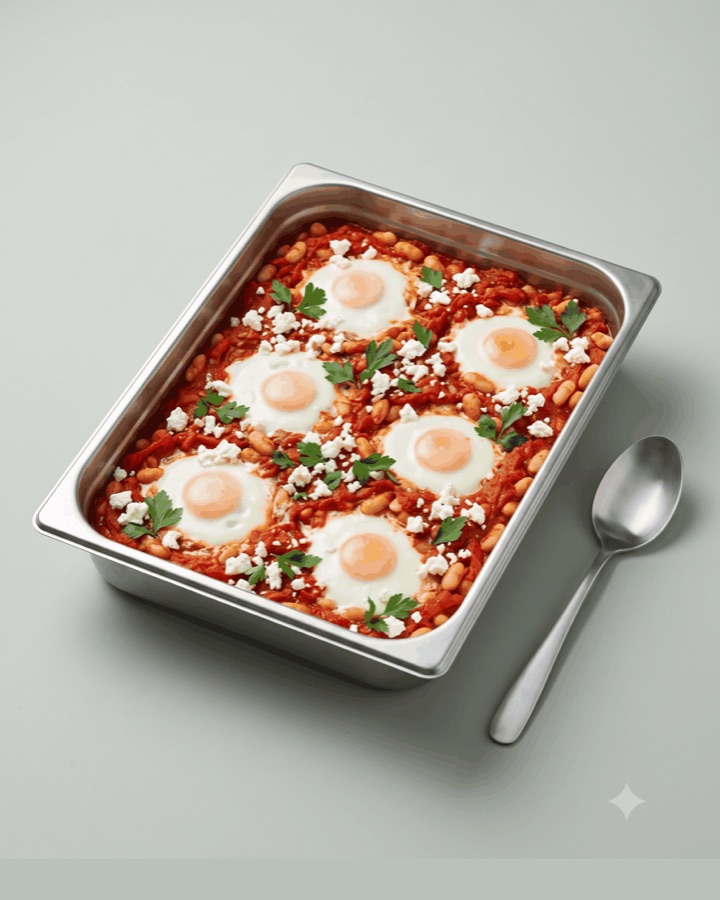
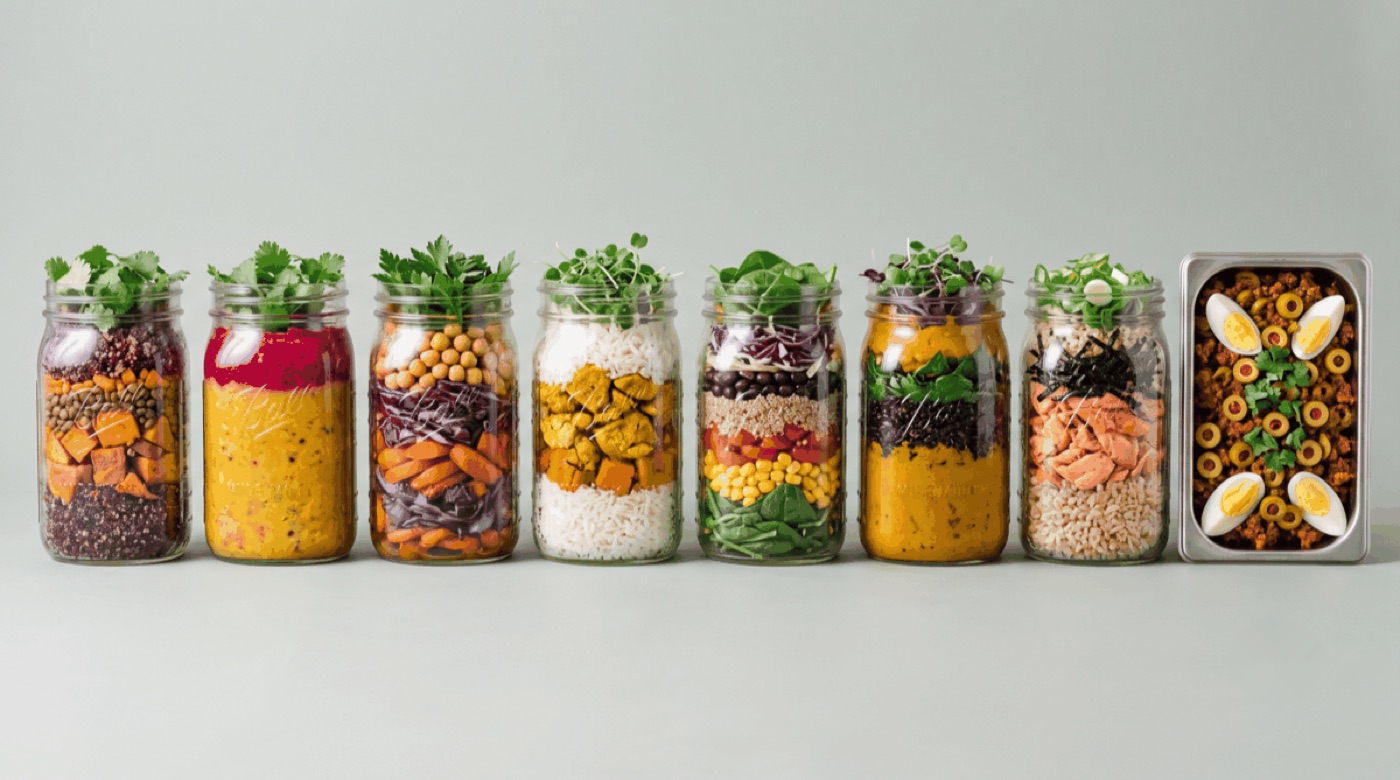
A week of Frasco dinners lined up in glass jars with one stainless tray
Brief

The business plan came first. The website followed.

The plan defined Frasco as a solo-operated weekly dinner service: one cook, one Sunday route, three household sizes, and a returnable packaging loop. That immediately shaped what the website had to explain, what the order flow had to collect, and which promises the business could reliably keep.

Shift

From endless menu to reusable rotation.

The early plan put 24 dishes on the menu every week. Prep time, ingredient overlap, and delivery capacity exposed the strain. The better model keeps 24 dishes in the catalog but makes eight orderable each week. That reduces operational risk and creates a natural reason for customers to return when favorites come back into rotation.

Takeout for two $52

The familiar alternative Frasco has to beat.

Frasco for two $30

Clear value without sounding like meal prep.

Menu model 24 / 8

Twenty-four catalog dishes, eight live each week.

Early Frasco homepage build under the Weeknight working name, showing meal jars and delivery positioning
Early working-name build: the service positioning and delivery promise were tested before the Frasco identity was finalized.
Early Frasco menu build under the Weeknight working name, showing weekly controls and dish cards
Menu system: THIS WEEK and FULL CATALOG are operational states, not decorative tabs.
Frasco glass return loop diagram showing Sunday delivery, eating all week, porch returns, sanitizing, and refill
Return loop: glass and stainless deposits make packaging part of the business model.

System thinking

The filter earns its place because the menu was built for it.

Diet, gluten, dairy, egg, soy, nuts, sesame, oil-free, cuisine, and spice level all have real populations on both sides. If a filter cannot meaningfully split the menu, it does not ship. That rule turns the interface into product proof.

Rotation

Live and returning states give the business a retention hook without pretending everything is available all the time.

Packaging

Solo and Dos ship in glass jars, Familia in stainless trays, and first orders can stay fiber-only when returns would be a burden.

Copy

Short declarative sentences, concrete nouns, prices where prices matter, and no wellness language.

Data Layer

A JSON catalog drives filters, prices, household formats, live states, nutrition, and crawler-visible structured data.

Beyond the build

The website is infrastructure for finding, learning, and following up.

A useful launch plan does more than publish pages. It connects the offer to the places local customers already look, gives outreach a specific destination, and turns site activity into decisions an owner can act on. For Frasco, the same menu and service logic can support acquisition, retention, and reporting without creating a second content system to maintain.

Local discovery

Build neighborhood and delivery-area pages around real service boundaries, keep Google Business Profile details consistent, and add Organization, Product, and FAQ structured data so search engines understand what can be ordered and where.

Useful outreach

Give apartment managers, coworking spaces, gyms, parent groups, and local employers a tailored landing page or referral code instead of sending everyone to a generic homepage. Each partnership can answer the right questions and be measured separately.

Retention loops

Use “returning next week” dish states, back-in-rotation email alerts, jar-return reminders, and post-delivery feedback prompts to create reasons to come back that are tied to the actual operating model.

Decision-ready reporting

Track menu views, filter use, order-starts, completed orders, household size, referral source, delivery zone, and repeat behavior. A concise monthly report should show what changed, why it matters, and the next test—not bury the owner in pageview charts.

Outcome

A business system the website can explain, measure, and grow.

Frasco became a six-page static prototype built from the business model: shared menu data, household-size pricing, structured product information, accessible interactions, reduced-motion support, and one disciplined image system. Just as importantly, the build leaves clear paths for local search, partner outreach, email retention, conversion tracking, and owner-friendly reporting.

  • 24 catalog dishes with 8 live weekly and rotation-state messaging.
  • 27 dish images generated from one locked photography system.
  • Six static pages, no frameworks, crawler-visible content, and JSON-LD.
  • An event plan connecting acquisition source, menu behavior, order intent, and repeat visits.
  • A practical outreach model for local partners, each with a measurable landing path.
Build with this kind of thinking

Have a food, ordering, or launch problem?

Bring the rough version: pricing questions, a messy menu, packaging constraints, local delivery logic, or a site that has to explain the business and take action on day one.