Case study · Spec project · 2026

Design the business before the website.

Weeknight began as a portfolio question: what happens when the studio has to define the offer, the pricing, the delivery loop, the photography system, and the website at the same time?

Scope
Brand, business model, menu system, six-page site
Build
Static HTML, shared CSS, JavaScript menu data, JSON-LD
Core line
Weekly dinner delivery for the Research Triangle.
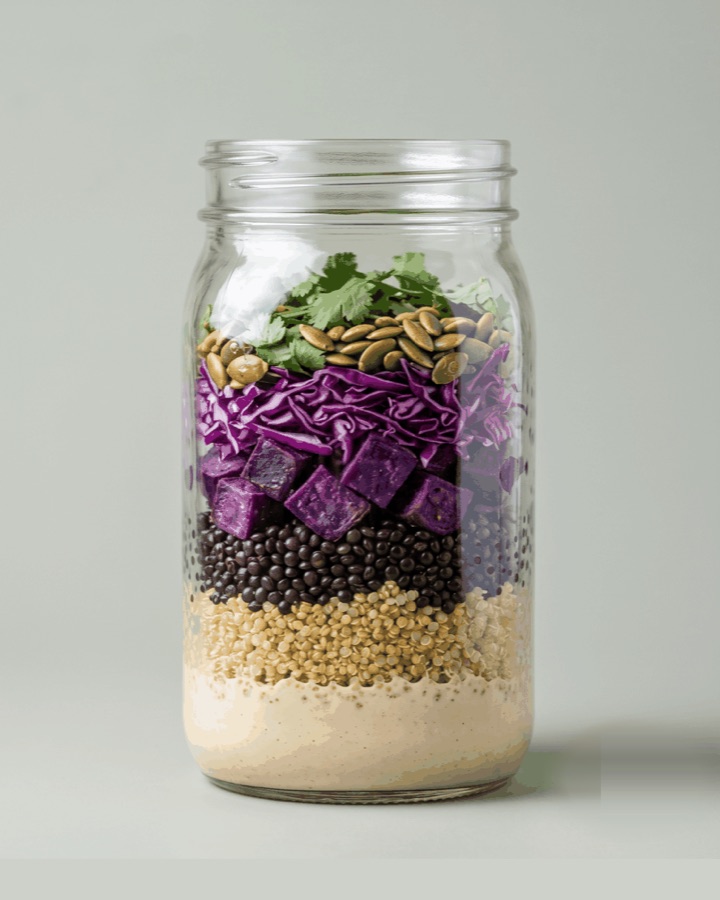
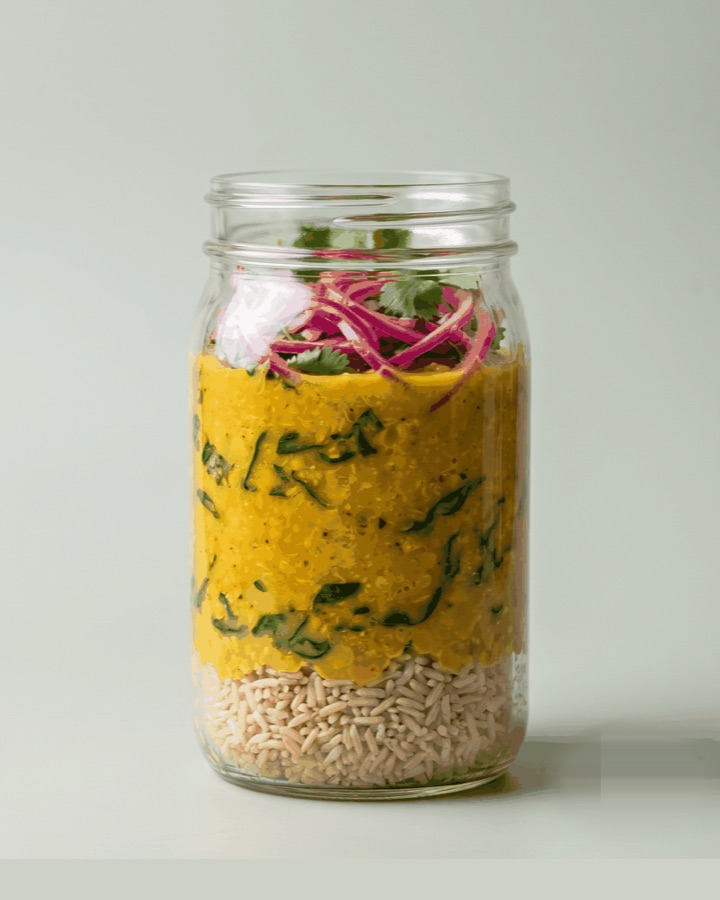
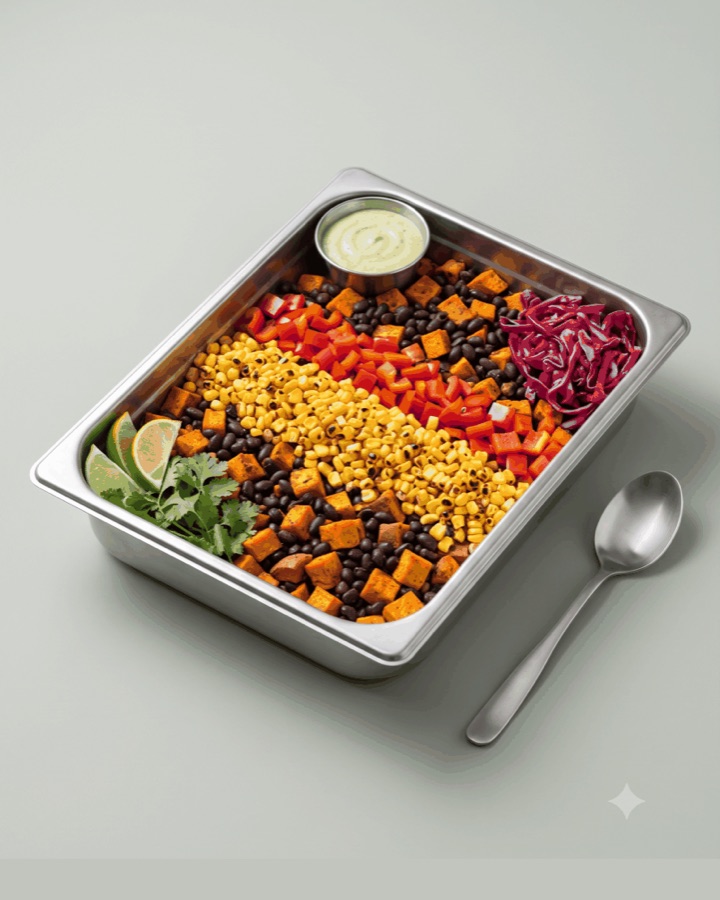
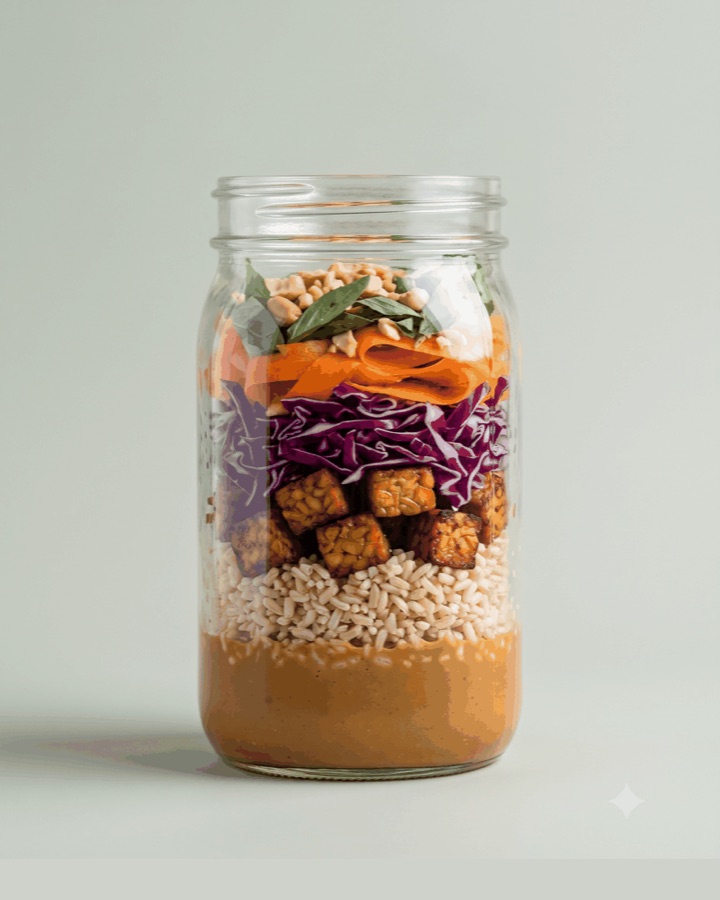
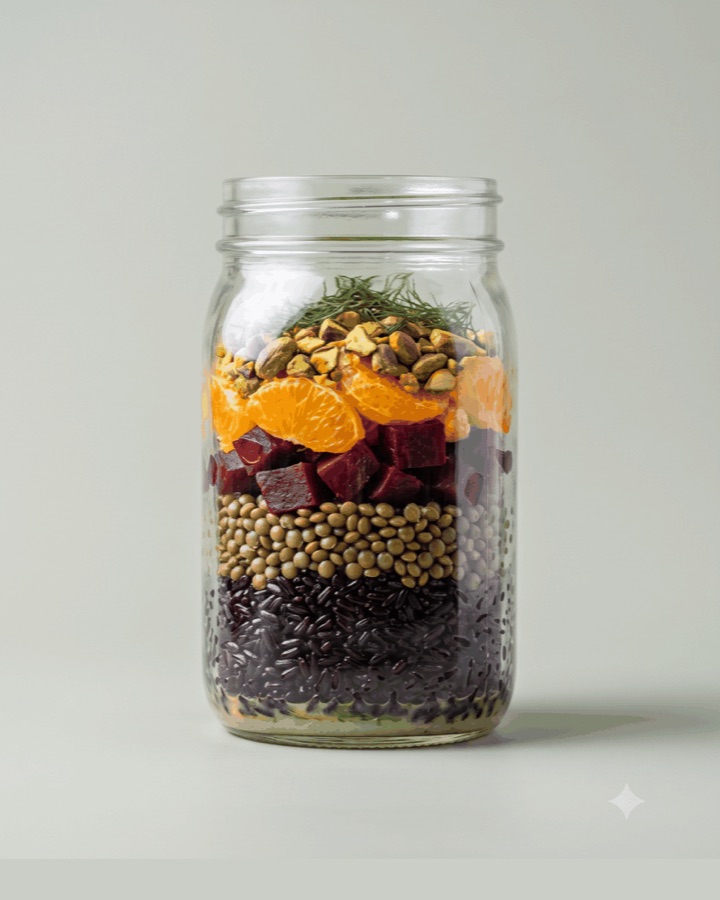
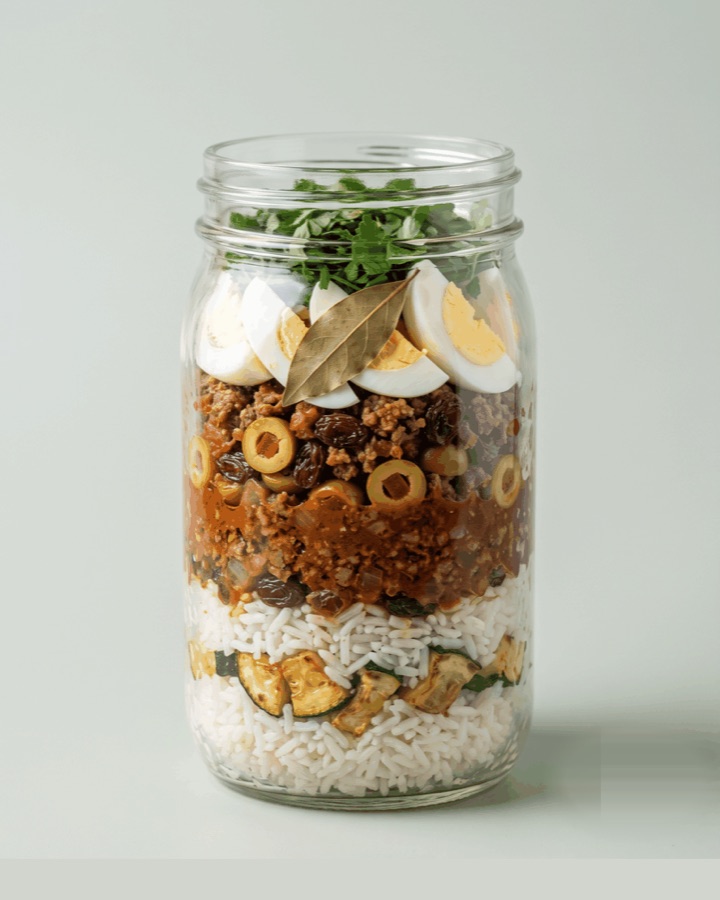
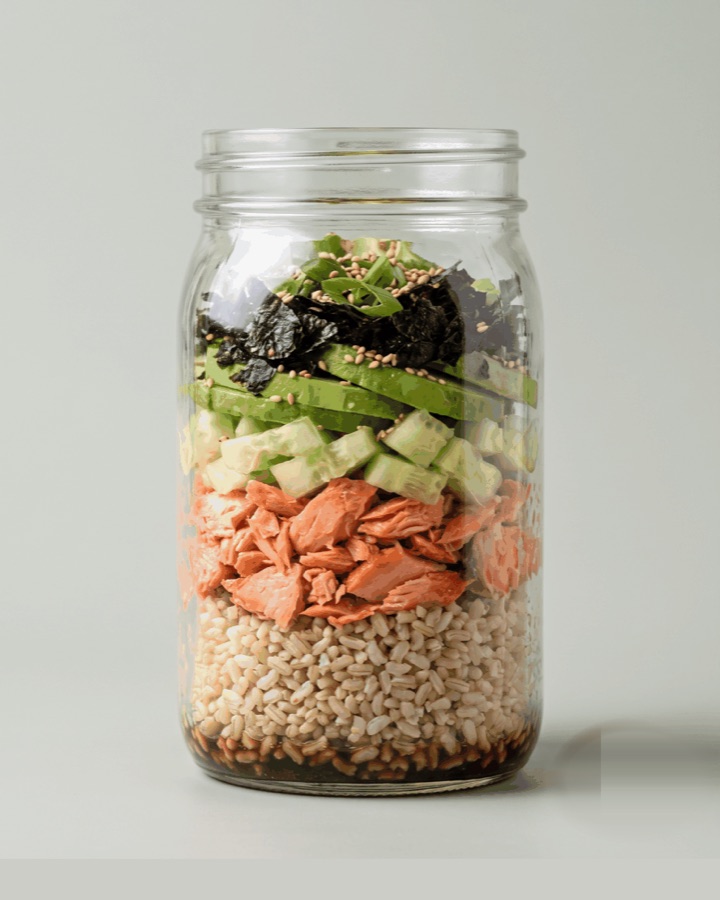
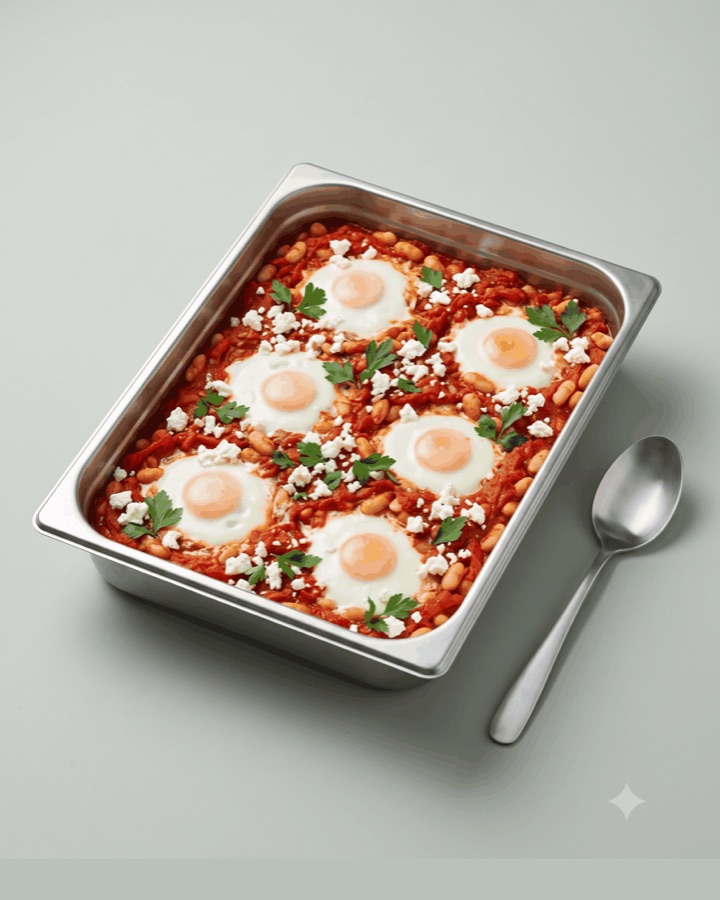
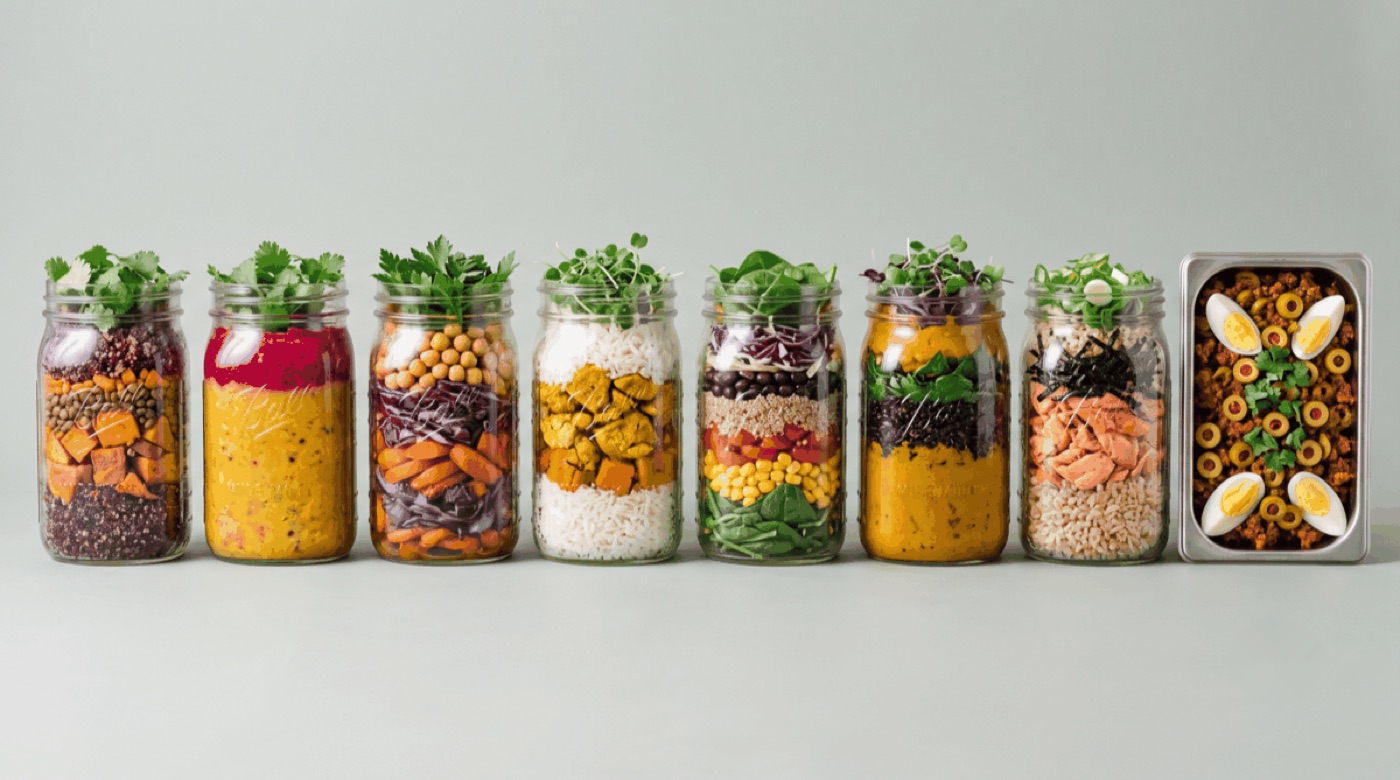
A week of Weeknight dinners lined up in glass jars with one stainless tray
Brief

There was no client. So the operations had to be invented.

Weeknight is a solo-operated weekly dinner service: one cook, one Sunday delivery route, and three household sizes. The site could not fake a business around pretty food. Every page had to prove the model could actually run.
Shift

From endless menu to reusable rotation.

The early concept had 24 dishes live every week. That collapsed under real prep math. The fix became the product system: 24 dishes stay in the catalog, 8 go live weekly, and the menu gives customers a reason to come back when favorites return.

Takeout for two $52

The comparison Weeknight can beat.

Weeknight for two $30

Clear value without sounding like meal prep.

Menu model 24 / 8

Twenty-four catalog dishes, eight live each week.

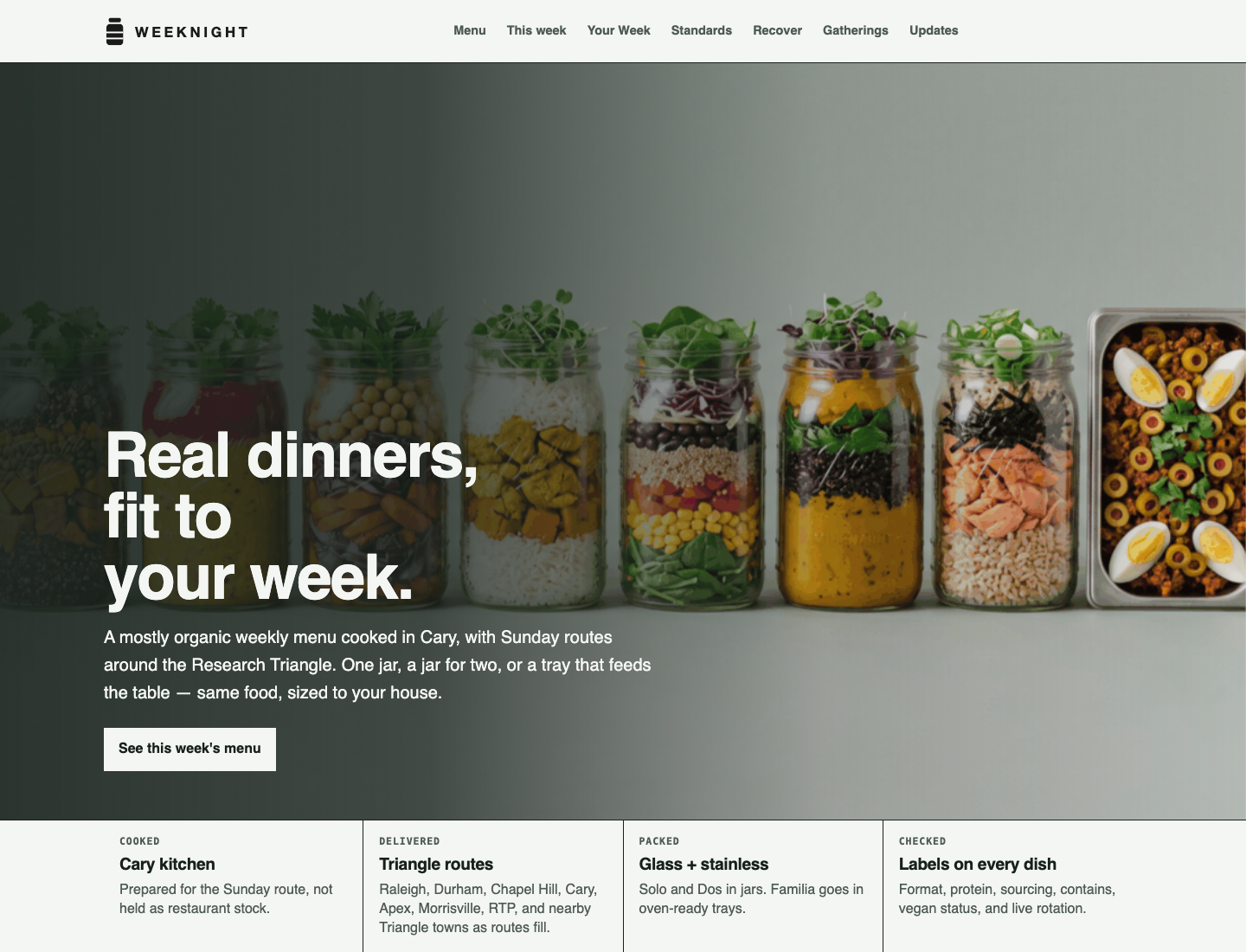
Weeknight homepage screenshot showing the updated logo, hero meal jars, and delivery positioning
Homepage positioning: a current-logo screenshot from the live Weeknight build.
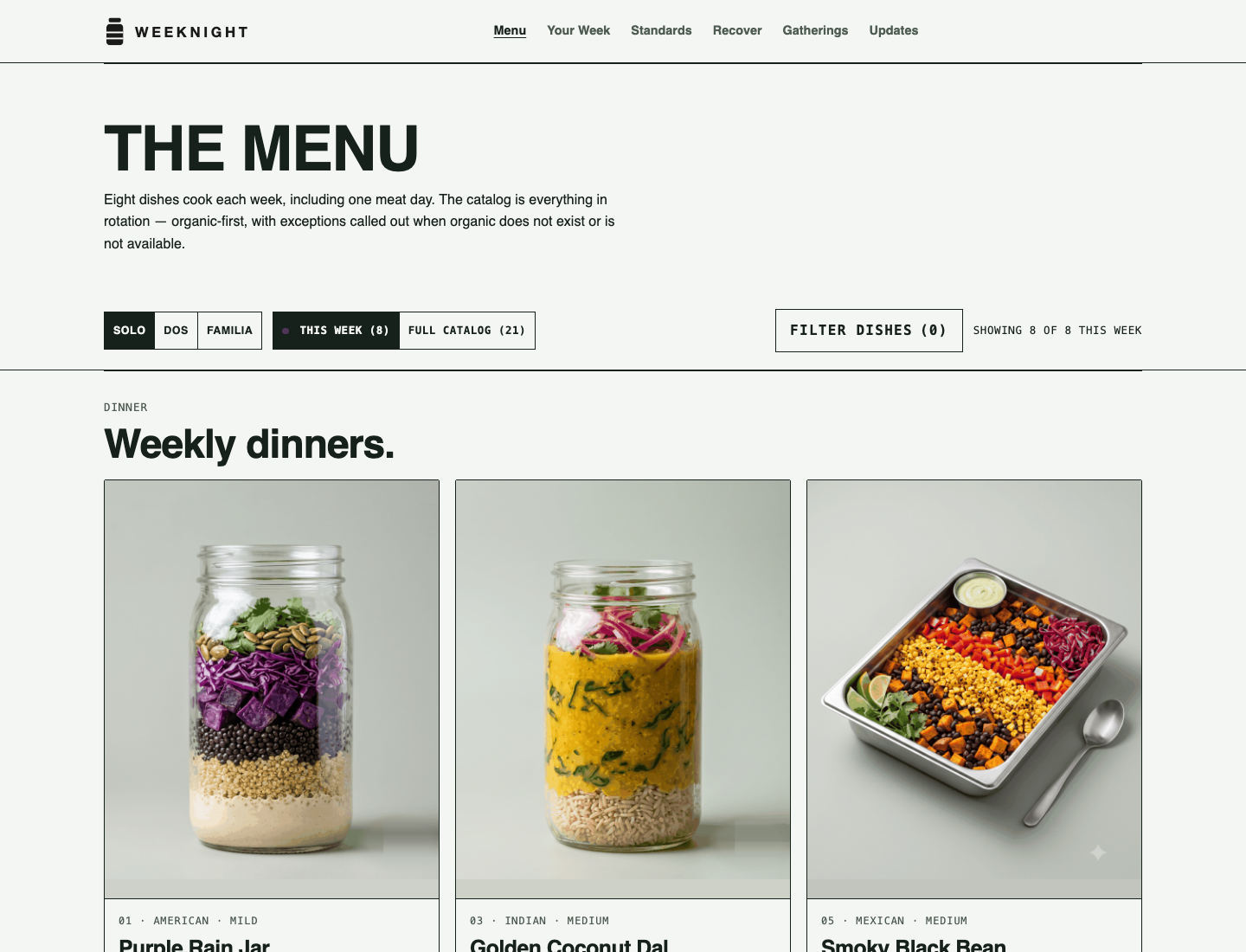
Weeknight menu screenshot showing the updated logo, weekly menu controls, and dish cards
Menu system: THIS WEEK and FULL CATALOG are operational states, not decorative tabs.
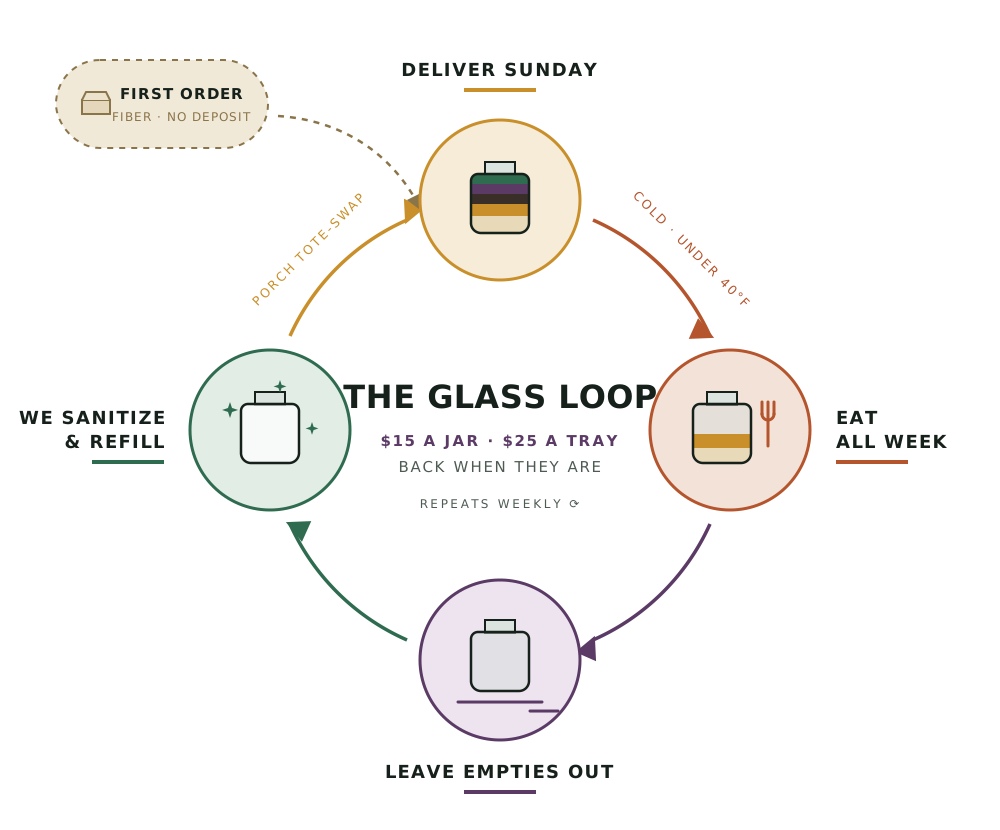
Weeknight glass return loop diagram showing Sunday delivery, eating all week, porch returns, sanitizing, and refill
Return loop: glass and stainless deposits make packaging part of the business model.

System thinking

The filter earns its place because the menu was built for it.

Diet, gluten, dairy, egg, soy, nuts, sesame, oil-free, cuisine, and spice level all have real populations on both sides. If a filter cannot meaningfully split the menu, it does not ship. That rule turns the interface into product proof.

Rotation

Live and returning states give the business a retention hook without pretending everything is available all the time.

Packaging

Solo and Dos ship in glass jars, Familia in stainless trays, and first orders can stay fiber-only when returns would be a burden.

Copy

Short declarative sentences, concrete nouns, prices where prices matter, and no wellness language.

Data Layer

A JSON catalog drives filters, prices, household formats, live states, nutrition, and crawler-visible structured data.

Outcome

A complete food business surface, not just a pretty homepage.

Weeknight shipped as a six-page static spec with shared CSS, menu data, household-size pricing, product structured data, accessibility checks, reduced-motion support, and imagery that makes the brand feel like one kitchen instead of a mood board.

  • 24 catalog dishes with 8 live weekly and rotation-state messaging.
  • 27 dish images generated from one locked photography system.
  • Six static pages, no frameworks, crawler-visible content, and JSON-LD.
Build with this kind of thinking

Have a food, ordering, or launch problem?

Bring the rough version: pricing questions, a messy menu, packaging constraints, local delivery logic, or a site that has to explain the business and take action on day one.